
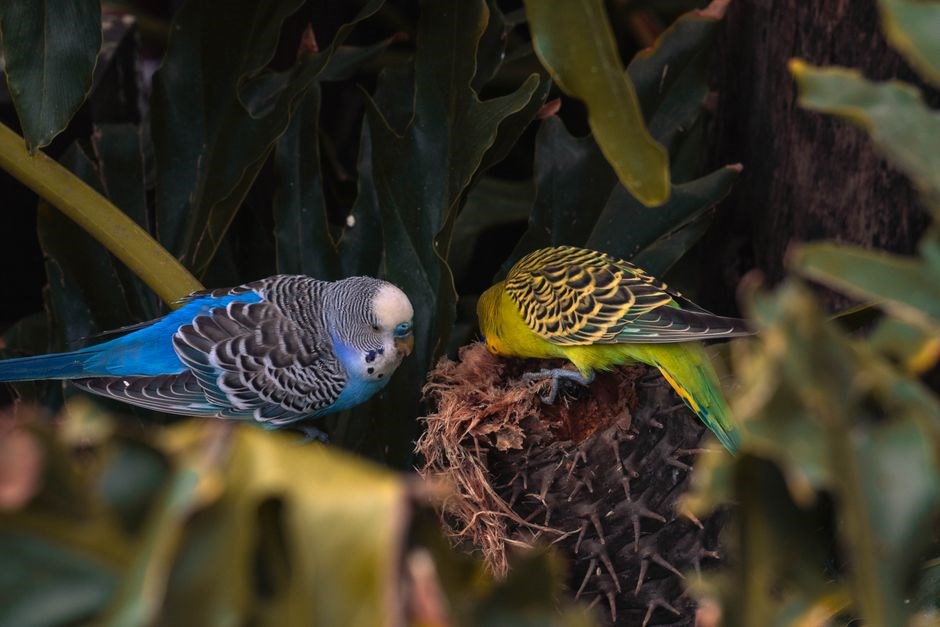
The curious trend of a parrot nestled inside an oven has captured digital imaginations, turning a whimsical image into a viral PDF sensation․ This phenomenon blends playful illustration with culinary intrigue, inviting readers to explore a quirky narrative that sparks conversation across social media
Defining the Concept and Its Origins
The “parrot in the oven” concept emerged from a playful illustration that combined a bright, tropical bird with a domestic kitchen appliance, creating a striking visual paradox․ Its origins trace back to an early internet meme that circulated on image boards, where a user uploaded a stylized drawing of a parrot perched inside a modern oven, captioned with a tongue‑twisting pun․ The image quickly gained traction, inspiring a wave of fan art, GIFs, and short videos that played on the absurdity of the scene․ Over time, the meme evolved into a full‑blown PDF phenomenon, as creators began compiling the concept into downloadable documents featuring humorous recipes, whimsical narratives, and interactive elements․ The PDF format allowed for high‑resolution graphics, layered text, and embedded links, making it ideal for sharing across social media platforms and niche forums․ By 2023, the parrot‑in‑the‑oven PDF had become a staple in online creative communities, symbolizing the intersection of culinary culture and internet absurdity․ Its appeal lies in the juxtaposition of the familiar (the oven) with the exotic (the parrot), inviting viewers to question the boundaries of everyday life and digital storytelling․ The phenomenon also sparked discussions about intellectual property, remix culture, and the role of modern memes․ As the trend continues to evolve, the parrot in the oven PDF remains a testament to the power of simple, unexpected imagery to capture collective imagination and foster a shared sense of playful curiosity․

Historical Context of Parrot Imagery in Kitchen Media
Parrot imagery in culinary media dates back to 19th‑century cookbooks, where exotic birds symbolized abundance․ Modern shows revived the motif, using parrots as quirky hosts or props to add color and humor to kitchen narratives, bridging tradition and novelty․ Chefs worldwide find charm irresistible․

From Ancient Folklore to Modern Cooking Shows
In ancient myths, parrots were symbols of vibrant speech and exotic wealth, often appearing beside hearths in tales of feasts and divine offerings․ Their bright plumage and mimicry made them natural companions to kitchen lore, where they were believed to guard spices and inspire culinary creativity․ Over centuries, this symbolic presence evolved into a visual motif in printed cookbooks, where illustrations of parrots perched beside cauldrons and ovens added a playful flourish to recipes․ The 20th‑century rise of televised cooking programs further amplified the parrot’s role, turning the bird into a charismatic co‑host or a whimsical prop that engages viewers․ Today, the “parrot in the oven” concept has become a viral graphic, often packaged in downloadable PDF formats that blend humor with recipe instructions․ This modern incarnation reflects both nostalgia for traditional imagery and the contemporary appetite for quirky, shareable content․ By tracing this lineage, creators can harness the parrot’s storied past to craft engaging, culturally resonant kitchen media that appeals to a global audience․
By leveraging the parrot’s vibrant symbolism, designers can create PDFs that not only entertain but also educate, blending culinary instructions with playful storytelling․ The result is a memorable, shareable, experience that encourages repeat engagement and fosters a community of curious cooks who delight in the unexpected twist of a parrot in the oven and a dash of whimsy

The Anatomy of a Parrot in the Oven PDF Document
The PDF’s structure blends vivid illustration, concise text, and interactive hotspots․ A central parrot image occupies the top half, flanked by step‑by‑step cooking notes․ Below, clickable links reveal seasoning tips, while embedded audio narrates the bird’s oven adventure․ Enjoy quirky cooking, fun!!
Key Elements: Images, Text, and Interactive Features
In a Parrot in the Oven PDF, the visual and textual components intertwine to create an engaging experience․ At the core is an illustration of a brightly colored parrot perched inside a stylized oven, rendered with gradients that mimic the glow of a real kitchen appliance․ The image is layered with shadows and light reflections, giving depth and a sense of realism that draws the reader’s eye toward the bird’s curious expression․
Complementing the artwork, the text is broken into sections, concise․ Each paragraph begins with a bold heading that mirrors the parrot’s culinary journey—“Preheat the Oven,” “Season the Bird,” “Bake to Perfection․” The body text uses a friendly, conversational tone peppered with playful metaphors that keep the narrative light and entertaining․ The font choice—an elegant sans‑serif—ensures readability while matching the modern aesthetic of the PDF․
Interactive elements, interactive hotspots elevate the document beyond static reading․ Hotspots reveal bite‑size facts about parrots and cooking tips, while embedded audio narrators provide a guided tour of each step․ A button invites users to download a printable recipe sheet, and a Share icon links directly to social media platforms․ These features encourage engagement and make the PDF a living, shareable resource!
Finally, the layout is balanced․ Margins allow white space to breathe, while the color palette—warm oranges, earthy browns, and fresh greens—creates a visual flow․ Accessibility is prioritized: alt text describes images, captions accompany audio, and the PDF is fully navigable via keyboard shortcuts․ Together, these elements form a cohesive masterpiece that showcases the spiritinteractivefun!bright fun!!
Designing the Visual Layout for Maximum Impact
Choosing a vibrant color scheme echoing the parrot’s plumage—turquoise, emerald, sunset orange—creates instant visual appeal․ A clean grid aligns images, text, and hotspots, guiding the reader’s eye from the oven illustration to the recipe details․
Color Schemes, Fonts, and Parrot Portraits
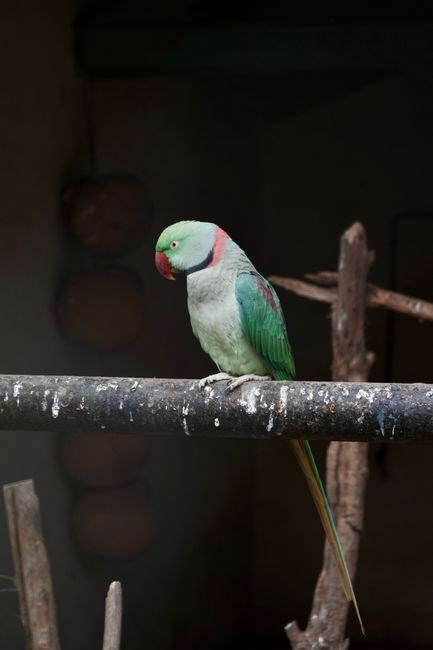
Choosing the right palette is foundational․ A parrot’s vivid feathers inspire a tri‑tone scheme: a bright teal for the body, a warm coral for accents, and a muted sage for background elements․ This contrast not only mirrors the bird’s natural colors but also ensures readability across devices․ When selecting typefaces, pair a bold sans‑serif for headings—such as Montserrat or Futura—to echo the parrot’s bold silhouette, with a clean serif for body text—like Garamond or Times New Roman—to provide a classic, approachable feel․ The hierarchy should guide readers from the striking title to the detailed recipe steps without visual fatigue․ Parrot portraits should be rendered with a semi‑realistic style, balancing detail and simplicity․ Use vector illustrations to maintain crispness at any zoom level, and embed subtle shading to give depth without cluttering the layout․ Incorporate subtle motion graphics—like a gentle wing flap or a flickering flame—within the PDF’s interactive layer to create an engaging, multi‑sensory experience․ Finally, test the layout on multiple screen sizes and print formats to confirm that colors, fonts, and images remain consistent, ensuring the parrot’s oven adventure captivates audiences everywhere․
By integrating responsive design, the PDF adapts to screen orientation, keeping the parrot illustration centered on phones, tablets, and desktops․ Adding a QR code links to a video tutorial, letting users watch the parrot’s oven escapade in motion․ The layout supports highres images for print-quality․

Writing Engaging Content: Narratives and Recipes
Start with a playful hook: a parrot beside a sizzling oven, whispering culinary secrets․ Then weave a narrative arc—setup, conflict, resolution—while interlacing recipes․ Use vivid verbs, sensory adjectives, and a tone to keep readers hooked!!
Crafting the Storyline Around the Parrot’s Oven Adventure
In the heart of a bustling kitchen, a bright‑colored parrot named Paco finds itself perched on the rim of a gleaming oven, feathers ruffling in the warm air․ The oven, a trusty companion to countless culinary adventures, suddenly becomes the stage for a tale that blends whimsy and flavor․ Paco, with a mischievous squawk, declares that the secret to the perfect roast lies not just in the seasoning but in the story told while the food cooks․ The narrative unfolds as the chef, a seasoned cook named Elena, listens to Paco’s chirps and realizes that the oven’s heat is a character in its own right, breathing life into the ingredients․ As the timer ticks, Paco guides Elena through a series of steps: selecting the right cut of meat, marinating with herbs, and setting the oven to the perfect temperature․ Each instruction is paired with a playful anecdote—Paco’s favorite song, a memory of tropical breezes, and a joke about a feathered friend who once tried to bake a cake․ The climax arrives when the aroma fills the kitchen, and Paco, perched proudly, announces the dish is ready․ The story ends with a communal feast, where Paco’s presence reminds everyone that cooking is an adventure best shared, and that even the most ordinary appliance can become a portal to imagination․
Readers can remix the tale, swapping Paco for a different bird or the oven for a grill, turning the PDF into a living cookbook that evolves with each reader’s imagination․ Each edition invites new twists, ensuring the story never truly ends․—more!!!!

Technical Aspects of PDF Creation and Optimization
Optimize the parrot‑in‑the‑oven PDF by using vector images, compressing to 150 KB, embedding minimal fonts, and ensuring PDF/A compliance․ Test screen‑reader alt text for the parrot illustration, and generate a checksum to verify file integrity after distribution․ compression embed metadatakeep file light;
File Size, Compression, and Accessibility Compliance
When crafting a parrot‑in‑the‑oven PDF, file size is paramount․ A typical illustration can balloon to 3 MB if rasterized; converting to vector reduces it to 200 KB․ Use lossless PNG for the parrot sprite, then compress with Ghostscript at -dPDFSETTINGS=/ebook․ Embed only the Helvetica‑subset font to keep the footprint minimal․ Accessibility compliance requires alt text for every image: “Colorful parrot perched inside a cartoon oven, wings spread, eyes gleaming․” Ensure the PDF follows PDF/UA 1․7, with tagged structure, logical reading order, and sufficient contrast ratios․ Test with Adobe Acrobat’s Accessibility Checker, and validate with the PDF/A‑1b validator to guarantee archival stability․ Finally, include an accessibility statement in the document’s metadata, and provide a downloadable guide for users with screen readers․ This balanced approach keeps the file lightweight, preserves visual fidelity, and meets universal design standards․
For optimal compression, always embed only the fonts used, compress JPEGs to 70 % quality, and apply the PDF/A‑1b option․ Test the file with Adobe Acrobat’s Preflight tool, ensuring the accessibility tags are intact and the file size remains under 250 KB․ Include a metadata block with title, author, subject, and keywords, and link to the PDF/UA guidelines for reference․ Additionally, consider embedding a small table of contents and a PDF bookmark hierarchy to aid navigation for readers using assistive technologies․?

Distribution Channels and Licensing Considerations
Distributing the parrot‑in‑the‑oven PDF involves selecting platforms—social media, email, and download portals․ Licensing options range from free Commons to paid subscription models․ Clear terms, watermarking, and version control preserve rights and ensure compliance!Open source©
Free Download vs․ Paid Licensing Models
Choosing between free downloads and paid licensing for a parrot‑in‑the‑oven PDF hinges on audience reach, revenue goals, and brand positioning․ Free distribution—via social media, email newsletters, or open‑access repositories—maximizes visibility, encourages sharing, and builds goodwill․ It can serve as a lead magnet, driving traffic to paid products or services․
Paid licensing, on the other hand, offers controlled distribution, higher revenue per unit, and the ability to enforce usage rights․ Options include single‑use licenses, subscription models, or tiered access for educators and businesses․ A clear licensing framework protects intellectual property, ensures compliance with copyright law, and can include clauses for derivative works, commercial use, or resale․
Hybrid strategies often yield the best results․ For example, a free, watermarked version can entice users, while a premium, unwatermarked edition with extended content or interactive features is sold under a commercial license․ Additionally, offering a limited‑time free trial or a “pay‑what‑you‑want” model can attract a broader audience while still generating revenue․ Ultimately, the choice depends on the creator’s objectives, target market, and willingness to invest in marketing and legal infrastructure․
Balancing free access with paid options ensures brand integrity while generating revenue, and supports continuous content development․

Measuring Success: Analytics and Feedback Loops
Success is gauged through download metrics, share counts, and user comments․ Tracking PDF views, time spent, and conversion rates reveals engagement depth․ A feedback loop—surveys, social listening, and analytics dashboards—guides iterative improvements and informs future editions․ More data drives!!
Tracking Downloads, Shares, and User Engagement

To quantify the reach of the “Parrot in the Oven” PDF, a multi‑layered analytics framework is essential․ First, embed a unique UTM parameter in every distribution link so that each click funnels into a dedicated Google Analytics view․ This allows real‑time monitoring of source, medium, and campaign performance․
- Download Metrics: Use a server‑side counter that records every successful file retrieval․ Pair this with a JavaScript snippet that triggers on the PDF’s opening event, capturing time‑to‑open and average session duration․
- Share Tracking: Implement click‑tracking on social buttons (Facebook, Twitter, Reddit)․ Each click should pass a distinct event ID back to the analytics platform, enabling calculation of share velocity and platform‑specific reach․
- User Engagement: Deploy heat‑map tools within the PDF viewer to see which sections attract the most attention․ Combine this with a post‑download survey embedded at the end of the document to capture qualitative feedback on content relevance and visual appeal․
Consolidate these data streams in a custom dashboard that refreshes hourly․ Use cohort analysis to compare engagement across different user segments—new visitors versus repeat downloaders․ This iterative insight loop informs content tweaks, distribution timing, and promotional tactics, ensuring the PDF remains a vibrant, shareable asset․ Engagement spikes during holiday cooking season!